
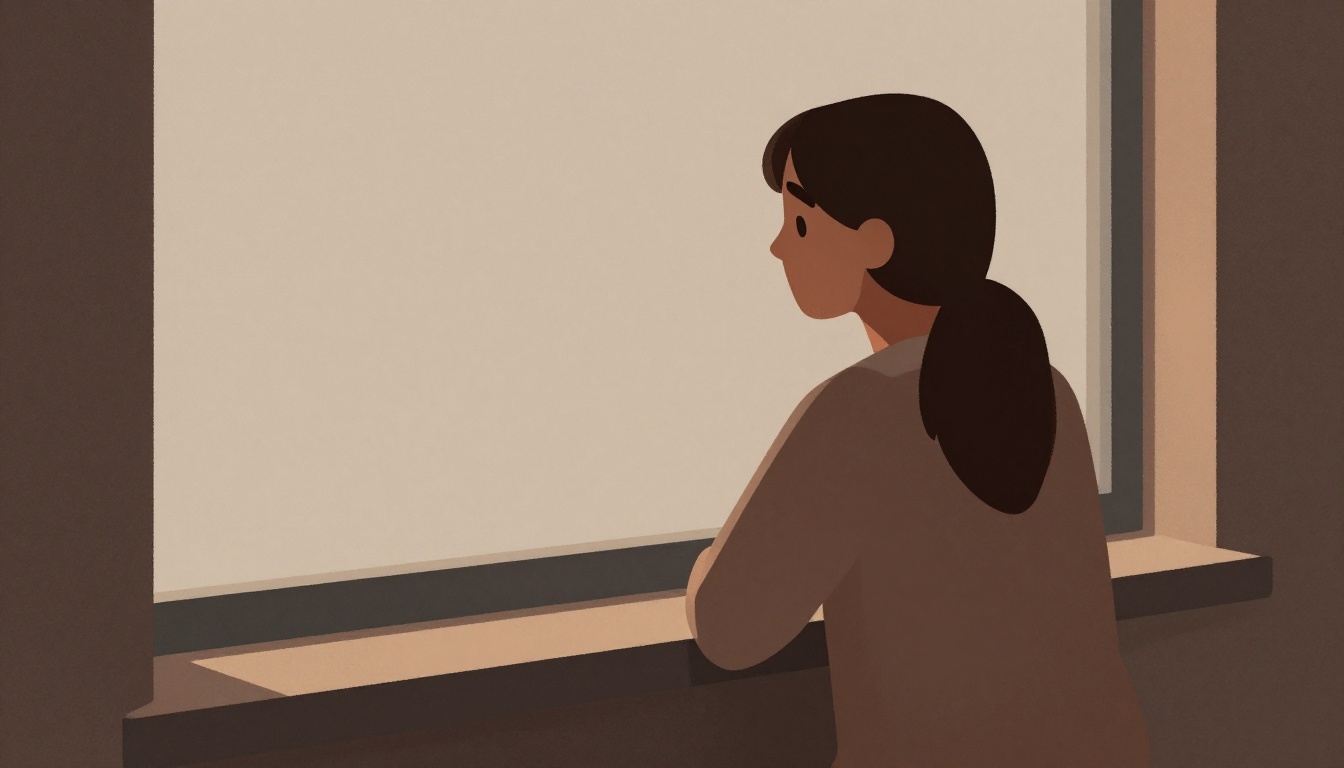
Your brand portraits feel flat. You've tried studio lights, but the results look stiff and generic. What if the most powerful tool for creating atmospheric, emotionally resonant portraits is already in your space? Window light is a free, versatile, and flattering light source that can transform your brand imagery. It's the secret behind many cinematic, editorial-style portraits that feel both authentic and aspirational. This guide shows you how to harness window light to create portraits that don't just show your subject—they evoke a feeling, a mood, and a story.
Which window light setup is best for creating a dramatic, serious mood?
Select one answer.
Why window light works for brand storytelling
Window light is a natural, directional light that creates soft shadows and gentle gradients. It's familiar and easy to decode in a photograph because we see it every day. This familiarity makes your portraits feel approachable and genuine, which is essential for brand storytelling. Unlike harsh studio strobes, window light can be shaped and controlled with simple adjustments to your subject's position and the environment. As photographer Damien Lovegrove notes, "Portrait lighting doesn't have to be complicated to be good." Source
Five window light setups for different moods
You can achieve a variety of looks with a single window by changing your subject's angle and position. Here are five proven setups:
1. Split lighting for drama
Position your subject so their cheek or line of sight is parallel to the window, with shoulders perpendicular. This creates a dramatic split—one side of the face lit, the other in shadow. It's perfect for a serious, pensive, or moody brand message. Expose for the highlight side to maintain detail. Source
2. 45-degree lighting for classic flattery
Place your subject at a 45-degree angle to the window. This is the traditional, universally flattering setup that highlights facial structure while keeping shadows soft. It's ideal for approachable, professional brand portraits. Source
3. Side lighting for depth and mystery
Have your subject stand beside the window so only one side of their face is lit. This adds dimension and mood, creating contrast without being harsh. It's excellent for conveying introspection or sophistication. Source
4. Backlighting for ethereal atmosphere
Position your subject between you and the window. Slightly underexpose to retain detail in the highlights, creating a soft glow around your subject. This technique adds a dreamy, emotional quality—perfect for wellness or lifestyle brands. Source
5. Silhouette for storytelling
Underexpose your subject so they become a dark shape against the bright window. This works well when you want to convey a narrative, like longing or contemplation. The key is to expose for the window, not your subject. Source
Practical tips for consistent results
- Control the light quality: If the light is too harsh, use sheer curtains or ask your subject to step back from the window. This diffuses the light and softens shadows. Source
- Watch for mixed white balance: Avoid combining window light (often blue) with overhead tungsten lights (orange). This creates unflattering skin tones. Turn off other lights or use a gray card for white balance. Source
- Use reflectors: A white wall opposite the window can act as a reflector, bouncing light back into shadows and reducing contrast. Source
- Move your subject, not the light: Unlike studio lights, you can't move a window. Adjust your subject's position and angle relative to the window to change the lighting pattern. Source
- Shoot at 90 degrees for drama: For a more dramatic portrait, shoot at a 90-degree angle to the light source. This reveals shape and texture through glancing light and shadow. Source
Editing your window light portraits
In post-processing, start by lowering exposure slightly, then use Highlights to control skin brightness and Shadows to recover detail in darker areas. This helps maintain the atmospheric mood while ensuring your subject is well-rendered. Source
How the Featured Expert Can Help
Adrienne Leigh Moore is a Bay Area photographer specializing in atmospheric, storytelling photography for brands, businesses, and individuals. She offers immersive collaborations and nature photography services, targeting luxury eco-retreats and design-forward spaces. Her work has been featured in Architectural Digest, 7x7, CB Magazine, Caribbean Living Magazine, and Voyage LA. To see how she captures the feeling of a space, visit Adrienne Leigh Moore Photography.
Quiz: Test your window light knowledge
Which window light setup is best for creating a dramatic, serious mood?
- Split lighting
- 45-degree lighting
- Backlighting
Correct answer: Split lighting. This setup creates a stark contrast between light and shadow, ideal for conveying a serious or pensive atmosphere.